Starting a Recruitment Agency Europe from the UK seems easy at first. But, it gets complicated with tax, payroll, and compliance. Founders want to move fast but also need a solid structure.
This section compares setting up a recruitment agency in the UK, the Netherlands, and Poland. We show the real facts.
Remote work has changed hiring. Clients now expect searches to cross borders. For a cross-border recruitment business, this is a big chance. But, it raises questions about incorporation and daily service delivery.
Choosing the UK, the Netherlands, or Poland depends on your clients and candidates. We’ll cover what you need to know, like reporting duties and VAT readiness. If you aim for international growth, we help you pick a base that supports it without risk.
Start Company Formations can help with the setup. Call us on 0204 504 1544 to talk about your next steps.
Why set up a recruitment agency across borders in Europe now
Hiring has changed a lot. Globalisation and remote work make it easier to build teams across time zones. For UK founders, starting a Recruitment Agency Europe is now a practical step, not just a dream.
In the European recruitment market, clients want fast, wide, and clear services. With remote hiring common, you can manage interviews across borders well. This leads to a bigger pool of candidates and better service.
Access to skilled talent: cross-border staffing lets you find specific skills across Europe, even when they’re hard to find at home.
Closer to more clients: it’s easier to find international candidates when you can handle global and local hiring with the same approach.
More resilience: by working in different markets, you can balance out demand changes. So, one slow period won’t affect your whole year.
Stronger credibility: being multilingual and active in Europe builds trust with candidates and procurement teams who value reliable services.
But, cross-border work adds extra admin. You’ll need to set up entities, handle contracts, and deal with local rules. We make it easier to decide on the right place to operate, so you can grow without losing control of risks, costs, or quality.
Recruitment Agency Europe: choosing the best base for UK-led growth
Choosing the right base is key for UK-led recruitment growth. A good setup in the Netherlands or Poland can boost our reach and speed. It also increases client trust.
We consider market access, compliance, and team collaboration. This helps us turn European talent into real candidates, not just CVs.
Access to skilled talent and niche candidate pools
European talent pools help us fill specialist roles quickly. The Netherlands is great for multilingual hiring. Poland excels in IT, business services, and engineering.
Polish specialists work remotely for UK and EU employers. This opens up more options for hard-to-fill roles. It means we can find the right skills without being limited by location.
- Broader sourcing across sectors and languages
- Faster shortlists for niche roles where supply is tight
- More flexible remote and hybrid delivery
Winning multinational clients with a local presence
Being close to clients is important for consistent service. A local presence helps with meetings, market insight, and onboarding.
It also makes aligning terms and standards easier across countries. In Recruitment Agency Europe projects, this can turn a pilot into a long-term client.
Building resilience by diversifying revenue across markets
Diversifying revenue across borders reduces reliance on one market. If hiring slows in one place, another can keep teams busy.
This approach helps with cash flow planning and more predictable team utilisation. It also encourages a diverse client base across sectors and regions.
Boosting brand credibility with an international footprint
An international footprint builds trust with candidates and clients. It shows we operate across borders and deliver reliably.
This credibility supports business growth, from single-country to multinational hiring. It shows we can grow responsibly, with clear processes from start to finish.
Quick snapshot: UK vs Netherlands vs Poland for recruitment businesses
We advise founders on entering Recruitment Agency Europe by comparing setup speed, paperwork, and local presence. Our goal is to simplify UK vs Netherlands vs Poland company formation. We focus on practicality without losing sight of the bigger picture.
Typical company structures and incorporation expectations
In the Netherlands, BV is the common choice. Poland prefers Sp. z o.o. The decision often hinges on liability, directors, and investor comfort.
Choosing between BV and Sp. z o.o. is common because both are well-liked by banks and big clients. In the UK, founders usually opt for a limited company, with a simple setup process.
- UK: private limited company for most recruitment consultancies
- Netherlands: BV for international trading and hiring plans
- Poland: Sp. z o.o. for controlled risk and scalable operations
Registered office needs and local substance
Registered office requirements are crucial, even before the first invoice. The Netherlands and Poland need an in-country address for official mail and records. This boosts credibility during onboarding.
Choosing the right address is more than admin. It helps with mail, document storage, and smoother account setup talks.
Ongoing reporting, annual accounts, and compliance realities
Compliance can slow plans, so we set clear expectations. Annual accounts filings are key, tied to tax and statutory reports.
In Poland, annual accounts must be filed locally. In the Netherlands, they’re filed with the Dutch Chamber of Commerce. Timelines depend on your size and activity.
Licensing likelihood for recruitment and temporary staffing
Recruitment businesses often ask about Europe’s recruitment licensing. In the Netherlands, a licence is usually not needed, except for services with state-run employment offices.
In Poland, licensing might be required, mainly for temporary staffing. We guide you on service scope early. This way, you know when licensing applies and what clients might ask for.
United Kingdom setup essentials for a recruitment agency
Many founders see the UK as the key for leadership and sales, even if they work across borders. A strong UK base for a recruitment agency helps keep client ties, protects the brand, and makes business decisions. It also allows for hiring and finding candidates across Europe.
Recruitment business compliance in the UK begins with the essentials. This includes clear contracts, right-to-work checks, and handling personal data with care. If we handle temps or manage payroll, we ensure pay, holiday, and agency worker rules are followed consistently.
Brexit has changed how we plan and move around. For UK to EU recruitment, UK nationals without an EU passport might need visas to work and live in EU countries like Poland. This affects their dependants too.
We make relocation plans practical. Start Company Formations works with Immigration advisers to help with your case. This way, you can plan your travel and living arrangements with more certainty, while keeping your UK business running smoothly.
Having a Recruitment Agency Europe base in the UK is possible, but structure is key. We usually have sales and contracting in the UK. The sourcing, account support, or EU team works under a clear scope and reporting line.
Define where contracts are signed and who carries client risk for cross-border recruitment UK to EU.
Track overseas tax presence triggers, local registrations, and invoicing flows to support recruitment business compliance UK.
Set documented processes for screening, onboarding, and timesheets to steady staffing agency operations UK.
Netherlands market overview for recruitment and staffing agencies
The Netherlands recruitment market is special for UK founders. It has a cross-border mindset and a steady need for specialist skills. Clients often pick this place for EU reach without extra hassle.
It’s also great for teams building a Recruitment Agency Europe Netherlands. They can serve many countries from one base.
Multilingual workforce and international business culture
The Netherlands has a multilingual workforce. English is widely used in work settings. This makes our work smoother, from briefings to client calls.
For a staffing agency Netherlands, it means less error and quicker shortlisting. In Amsterdam, international business is common. Roles are designed for global teams, making hiring faster and more efficient.
Strong multinational presence and trade-linked hiring demand
Trade is a big part of life here. It affects hiring in logistics, tech, finance, and more. The Netherlands recruitment market thrives on managing regional supply chains and EU customers.
This leads to more hiring across locations, not just one city. Demand goes up for project spikes, compliance changes, and new market entries.
Digital infrastructure and connectivity advantages
Dutch digital infrastructure supports modern recruitment. It includes CRM-led delivery, remote interviews, and secure document handling. This is crucial for teams in the UK and EU, or when hiring across time zones.
Strong connectivity keeps candidate communication smooth and on track. It also helps with reporting, talent pools, and client updates, without slowing things down.
Setting up a recruitment agency in the Netherlands: BV formation requirements
For many UK founders, the BV is a good way to enter the Dutch market. It’s well-known, easy to manage, and suits today’s fast-paced staffing needs. Knowing the formation rules is key to setting up a BV in the Netherlands confidently.
Creating a Dutch BV recruitment agency means focusing on credibility and clear rules for your team. The BV, or private limited company, is popular for its support of growth and limited liability. It’s great for permanent placements and managing contractors.
A BV can be started by one or more founders. These can be individuals or companies, fitting UK group structures well. This flexibility makes setting up a company in the Netherlands a scalable option.
- One founder is enough to incorporate
- Multiple shareholders can be added for investment or group control
- Ownership can sit with a UK company or a mix of entities
Starting a BV doesn’t have to be expensive. You can start with a €1 share capital BV, keeping costs low when speed is important. You can still agree on strong commercial terms through shareholder agreements and policies.
You’ll also need a registered office in the Netherlands. This makes your company official and keeps it on record with the Dutch Chamber of Commerce. We see this as a key part of staying compliant, along with good bookkeeping and consistent records.
Netherlands licensing and regulation: when a recruitment licence is needed
For most UK founders, getting a Netherlands recruitment licence is not the first step. You don’t need one to start recruitment or staffing services. But, Dutch staffing rules still guide your daily work. This includes how you show your service and keep records of each placement.
There’s a special case to remember. You might need a licence if you offer employment agency services with a state-run employment office. If your business model involves this, check the details early to avoid delays.
Even without a licence, following Dutch employment agency rules is crucial. The main risk is in the small details, not a single permit.
Clear contracts that match your service model and fee structure
Correct worker classification and consistent assignment terms
Sound onboarding records and a clean audit trail for service delivery
We also help founders set up the necessary steps after incorporation. This way, your business can run smoothly. We make sure you meet Recruitment Agency Europe legal requirements in a practical way, without making things too complicated.
Trade register coordination and standard company set-up actions after formation
Banking introductions, based on your activity and expected transaction flow
VAT-related administration aligned to how you plan to trade in and beyond the Netherlands
Poland market overview: why it is a fast-growing hub for recruitment
For UK founders wanting to grow, Poland’s recruitment market is fast and large. It offers strong demand from employers, a deep pool of candidates, and an easy way into Europe. With the right approach, using a Recruitment Agency Europe Poland can help your business grow smoothly.
Poland’s growth since joining the EU in 2004
Since 2004, Poland has become one of Europe’s fastest-growing economies. This growth has expanded the labour market and increased hiring across various sectors. For recruitment firms, it means more jobs, more movement, and clearer career paths.
We also look at investment trends, as they influence hiring plans. Santander Trade reports more foreign investment from the Netherlands, Germany, France, Luxembourg, Austria, Spain, and the UK. This investment supports new sites, shared service centres, and project teams needing quick, reliable recruitment.
Key talent strengths in IT, business services, and engineering
To find talent in Poland, it’s important to know where the depth is. Poland’s IT talent, business services, and engineering are major draws. There’s also steady demand in finance, marketing, and customer service.
Cost is important, but it’s not everything in Poland’s recruitment market. Employers value high education levels, strong foreign language skills, digital maturity, and a Western-style work culture. This mix helps with quicker onboarding and smoother client delivery.
- IT: software engineering, data, cloud, cyber security
- Business services: finance operations, HR services, customer support
- Engineering: manufacturing, automotive, energy, industrial projects
Major hubs including Warsaw and Kraków for BPO and IT
Warsaw is a major hub for recruitment, with large employers and good transport links. It’s great for firms building multi-role pipelines and serving international clients from one place. It also supports specialist hiring where speed and volume are key.
Kraków is known as a Kraków BPO IT hub, with mature shared services and tech teams. Its location near the Czech Republic border is also beneficial for teams working across neighbouring markets. Using Warsaw and Kraków together offers reach without making things too complicated.
Setting up a recruitment agency in Poland: Sp. z o.o. formation requirements
Poland is a great choice for a recruitment firm in the EU. Founders often compare speed, cost, and compliance when setting up Sp. z o.o. Poland. This approach helps with contracts, staffing, and client delivery.
UK-led teams should plan legal and operational steps together. Poland’s company formation moves faster with early documents and local advisers.
Company structure: private limited company (Sp. z o.o.)
The Sp. z o.o. is the standard private limited company in Poland. It’s popular for recruitment due to its liability protection and easy ownership management.
Some groups buy a shelf company to save time. The transfer can take two to four weeks, with ownership confirmed at the registry.
Minimum share capital: PLN 5,000
The minimum share capital is PLN 5000, paid during formation. It affects early cash flow and banking planning.
Setting up a bank account can be tricky. Banks might ask for client presence in Poland. We plan around this to avoid delays in payroll and invoices.
Director requirements: at least one director with no nationality restrictions
Poland’s director requirements are simple: at least one director with no nationality restrictions. This is good for UK founders and those from overseas.
Expect due diligence checks. Directors need a passport, a recent utility bill, and sometimes a criminal record check.
Registered office in Poland and local annual accounts filings
You need a registered office in Poland for statutory mail and filings. This address is for KRS entries, tax registration, and compliance.
Annual accounts in Poland are also crucial. Many founders hire a qualified Polish accountant for payroll, social security, and reporting.
- Proof of identity and address for key individuals
- Planned business activity data, such as expected hires and source countries
- For groups, possible disclosure of annual tax statements for companies owned elsewhere
Poland licensing for recruitment and temporary staffing services
When UK founders start in Poland, they face licensing and daily rules. We guide you through the process, whether you’re hiring permanently or offering EU staffing services.
When licensing may apply, specially for temporary staffing
In Poland, some recruitment needs a licence, more so for temporary staff. This is because of rules on worker records and assignment management.
If you act as the employer, you must follow Poland’s employment laws closely. We check your contracts and billing to ensure they meet local standards.
Practical compliance considerations for service delivery in Poland and the EU
Compliance is key to protect your business and reputation. It’s also crucial for working across the EU.
VAT and invoicing: You might need to register for VAT in Poland or the EU. This depends on your client’s location and the service type.
Payroll and reporting: Running assignments means you need a solid payroll system. A Polish accountant can help keep you compliant.
Local delivery: A local manager is vital for remote founders. They handle client service, onboarding, and any regulatory checks.
Founder relocation: Non-EU founders, including post-Brexit UK citizens, may need an immigration route. We work with Immigration experts to help.
Banking, VAT, and tax registration differences across the UK, Netherlands, and Poland
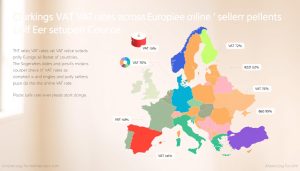
Setting up in the UK, Netherlands, and Poland means dealing with banking and tax admin. For Recruitment Agency Europe VAT planning, it’s key to get your bank and invoicing sorted from the start. This helps with bookkeeping right away.
Founders often delay VAT and filings, which can slow down payroll and client contracts. It can even stop you from trading across borders smoothly.
Poland bank account setup: client presence in Poland may be required
In Poland, opening a corporate account is more hands-on than UK founders think. You often need the client to be in Poland for the process, due to strict bank checks.
This is crucial if you need fast payments from local clients. Or if you must have a Polish account for salaries and ZUS-related tasks.
Netherlands banking expectations for local operations
In the Netherlands, having a Dutch BV is often necessary, not just nice. Landlords, payroll providers, and Dutch counterparties prefer payments from an NL account. This supports local operations and makes reconciliation easier.
We plan banking early to ensure your setup matches your daily needs. This includes salary runs and direct debits to suppliers.
VAT registration triggers when providing services domestically and cross-border
VAT registration for EU services depends on where the work is done, who the customer is, and your recruitment model. Different services like introductions, temp staffing, and outsourced hiring have different VAT treatments. We plan the service flow before sending out invoices.
If you offer services in Poland or the EU, VAT registration might be needed. This can impact cash flow and contract terms.
Annual reporting and filings: staying compliant in each jurisdiction
Compliance doesn’t end with incorporation. Annual accounts filings in the Netherlands and Poland need to be planned with bookkeeping, payroll, and VAT returns.
Poland: annual accounts are prepared and filed locally, based on Polish accounting rules and statutory deadlines.
Netherlands: annual accounts are filed with the Dutch Chamber of Commerce, with format and publication requirements that vary by size.
UK: accounts and confirmation statements must also stay on track, even when most revenue comes from abroad.
Hiring and operating models in Poland without a local entity
Want to hire in Poland without setting up a local office? You can still find great talent and keep your main operations in the UK. The key is to manage day-to-day tasks, payroll, and taxes well. This also depends on your Recruitment Agency Europe model.
There are three main ways to do this, each with its own level of complexity and speed.
B2B cooperation with Polish entrepreneurs (JDG), great for B2B contractors Poland who want freedom and clear goals.
Employment via an EoR, where Employer of Record Poland handles the local contract and payroll.
Project-based engagement using freelance contracts Poland for short, specific tasks.
B2B contractors Poland are good for flexibility and easy setup. They often handle their own taxes and social security, like ZUS. But, the nature of the work still matters.
Employer of Record Poland is the easiest when you need a Polish contract but lack a local company. The EoR deals with taxes, ZUS, HR, leave, benefits, and Polish laws. You focus on the role and performance.
Freelance contracts Poland are best for short, specific tasks in creative fields. They’re not ideal for roles needing daily work or ongoing management.
Choosing a path, we consider the risk of permanent establishment in Poland. This is crucial for roles that involve contract negotiation or creating a local impression. Remote work is generally safer, but sales and contract signing must align with the registered office.
Candidate expectations also influence your Recruitment Agency Europe model. Polish job seekers value clear salaries, straightforward cooperation terms, and quick communication. For finding talent, teams often use LinkedIn, Pracuj.pl, JustJoin.it, and NoFluffJobs.
Where to locate your office: London vs Amsterdam vs Warsaw/Kraków
Where you place your office affects how quickly you can meet clients and find candidates. We compare London, Amsterdam, and Warsaw/Kraków to see which fits your needs best. This depends on your target sectors and hiring cycles.
Client proximity and sector clusters (IT, engineering, business services)
London is great for UK clients, offering fast meetings and deep connections. It’s perfect for those needing to understand UK employment laws well.
An Amsterdam office is ideal for international work, close to trade and multilingual teams. It’s great for IT and engineering roles across Europe.
Poland is known for its IT, business services, and engineering talent. A Warsaw Kraków office is good for steady candidate flow and structured delivery.
Cross-border reach and practical geography (Poland’s neighbouring markets)
Geography helps in building regional pipelines. Poland borders several countries, making it easy for cross-border work.
Kraków is near the Czech border, ideal for quick visits. Warsaw offers more scale and transport links, making it a popular choice.
Remote-first operations and hybrid delivery considerations
Remote work has changed how we decide on office locations. With remote-first operations, we can manage tasks without a big office at first.
Many Polish teams are familiar with international tools like Jira and Slack. This makes it easier to work from different locations.
Yet, remote teams need clear rules and consistent onboarding. We also watch where work is done to avoid tax and compliance issues while growing.
How Start Company Formations can support your recruitment agency launch
Expanding from the UK to Europe can be complex. Start Company Formations offers Recruitment Agency Europe setup support. We make the process straightforward, so you can focus on your clients and finding the right staff.
We help with setting up in the UK, Netherlands, or Poland. We also assist with recruitment licensing, including in Poland. We ensure you meet banking needs, like opening an account in Poland.
Staying compliant is crucial. We help with VAT registration and tax readiness for both domestic and cross-border services. This includes filing annual accounts in Poland and the Netherlands. Our accounting and payroll services are tailored for recruitment agencies.
Need to travel or relocate for your business? Our business immigration support is here to help. We also support entry into regulated sectors like gaming and FX & Crypto. For advice on expanding, call Start Company Formations on 0204 504 1544.
Related posts:
 Netherlands BV vs UK Ltd: Key Differences Explained
  Advantages of Doing Business in the UK
  Expand in Europe: Prime Location in The Netherlands
  UK Company Formation Services
  UK Ltd vs US LLC: Which Business Structure Should Non-Residents Choose?
  Estonia e-Residency vs UK Company Formation: Which Is Easier?
  UK vs Switzerland for International Consulting Businesses
  UK vs Ireland Company Formation: Which Is Better for Startups in 2026?
  Opening a Company in Dubai vs the UK: Tax and Banking Compared
  France vs Netherlands: Which Country Is Better for Holding Companies?